
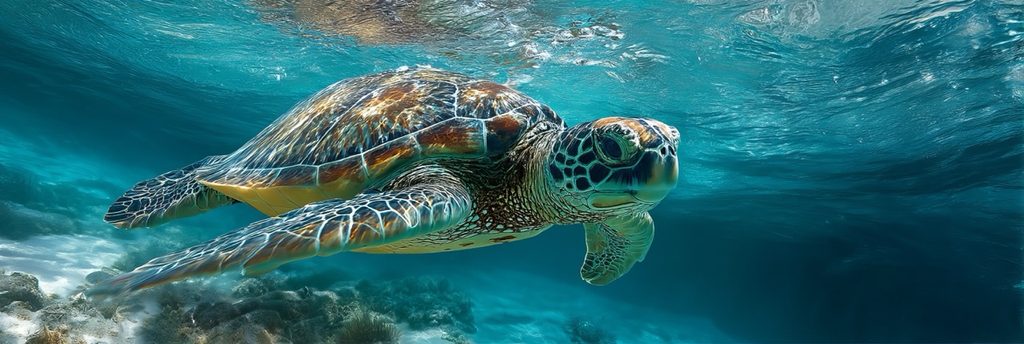
Welcome to Our Site
Sea turtles (superfamily Chelonioidea), sometimes called marine turtles,[3] are reptiles of the order Testudines and of the suborder Cryptodira. The seven existing species of sea turtles are the flatback, green, hawksbill, leatherback, loggerhead, Kemp’s ridley, and olive ridley.[4][5] Five of the seven species are listed as threatened with extinction globally on the IUCN Red List of Threatened Species. The remaining two are not considered to be threatened with extinction, one of which, the flatback turtle, is found only in the waters of Australia, Papua New Guinea, and Indonesia.[6][7]
Sea turtles can be categorized as hard-shelled (cheloniid) or leathery-shelled (dermochelyid).[8] The only dermochelyid species of sea turtle is the leatherback. A sea turtle swimming in an aquarium in Japan, 2025
Today, there are seven species of sea turtles in existence, and most are listed as at least vulnerable to extinction under the IUCN’s Red List. These ancient reptiles, which have been around since the age of the dinosaurs, may yet disappear if we do not act to conserve them.
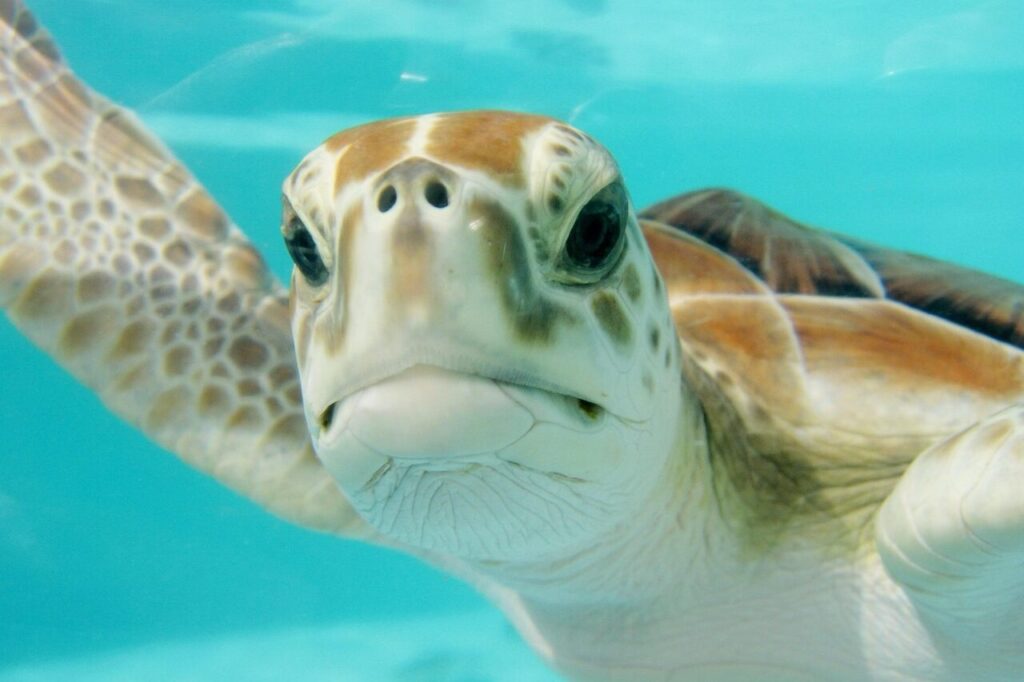
Sea Turtles cannot hide in their shells!
Unlike land turtles, sea turtles cannot pull their heads, flippers, or legs inside their shells.
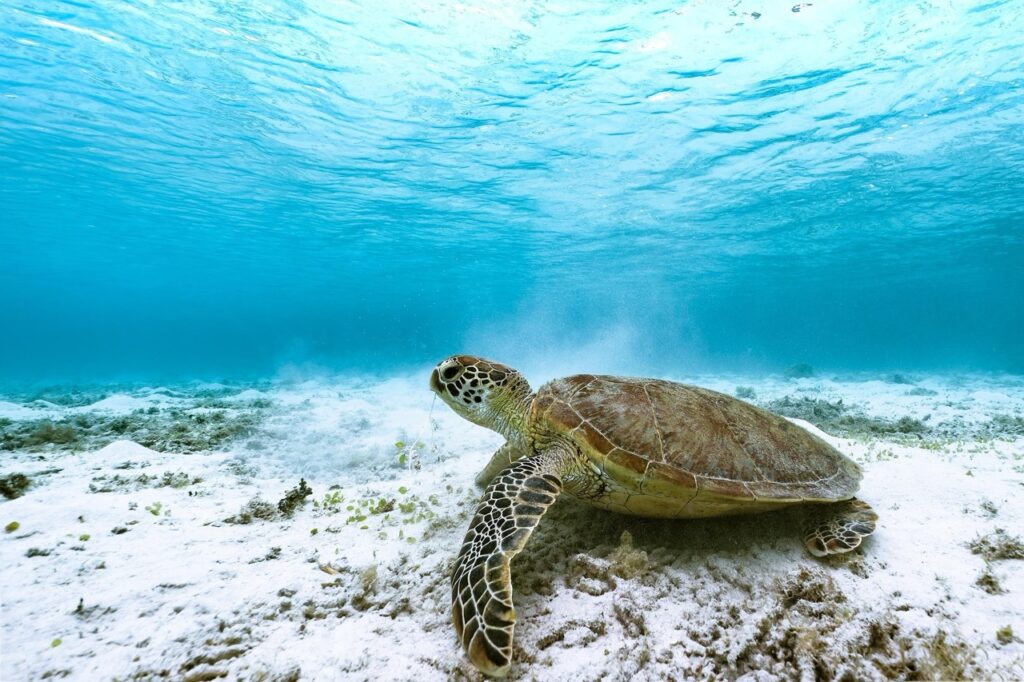
Sand temperature decides the gender:
Baby sea turtle’s sex depends on the temperature of the nest. Warmer sand produces females, while cooler sand produces males.
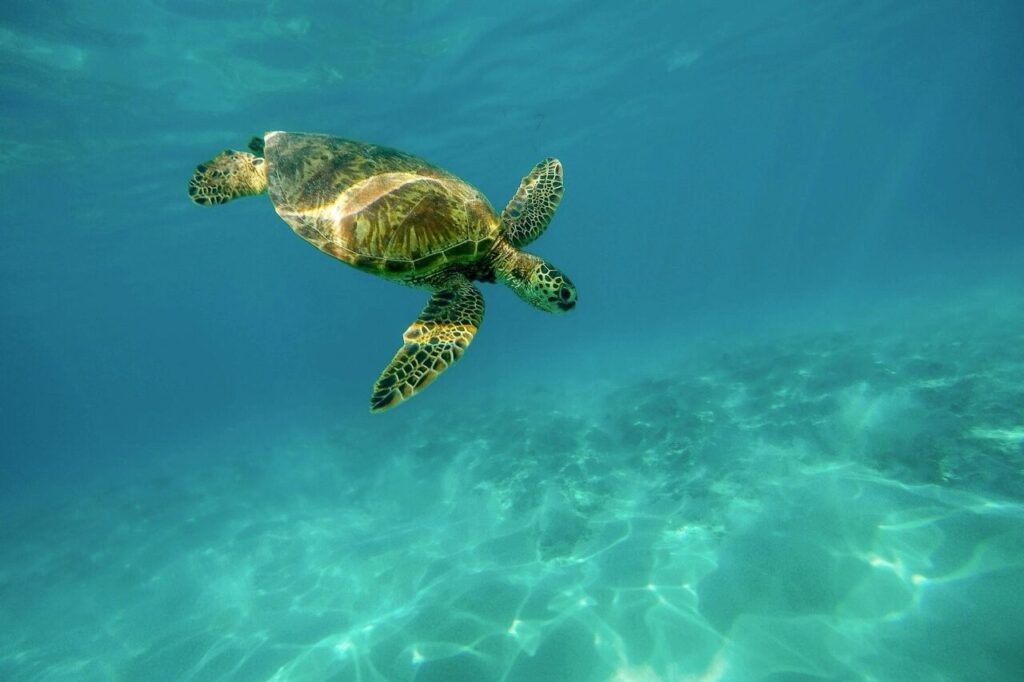
Sea Turtles are older than dinosaurs!
Sea turtle lineages date back more than 100 million years, meaning they shared the Earth with prehistoric reptiles and the T-Rex.